Walk-In Cooler Not Cooling?
Quick answer
If your walk-in cooler is not holding temperature, start by checking the thermostat setting, the door gasket, and the condenser coil. Food safety rules require refrigerated food to stay at 41°F (5°C) or below. A cooler that is drifting upward needs prompt attention. Many problems are simple to fix, but signs of a refrigerant leak or a failing compressor require a licensed technician.
Why does a walk-in cooler stop cooling?
Most walk-in cooler problems come from a short list of causes. Knowing them helps you describe the problem clearly when you call for service.
- Dirty condenser coils, which block heat from leaving the system
- A failed evaporator fan inside the box, which stops air from circulating
- A torn or misaligned door gasket, which lets warm air in
- A defrost cycle that is stuck or not ending, which causes ice buildup
- Low refrigerant from a leak
- A faulty thermostat or temperature sensor that reads the wrong temperature
- Shelving or stock placed over vents, which blocks airflow
What you can check safely today
Several checks take only a few minutes and do not require tools or certification. Work through them in order and write down what you find.
- Confirm the thermostat setting and check that the unit has power. Look for a tripped breaker or a loose disconnect.
- Inspect the door gasket for cracks, gaps, or stiffness. Close the door on a dollar bill. If the bill slides out easily, the seal needs adjustment or replacement.
- Look inside to see whether the evaporator fan is running. A fan that is stopped or making grinding noises needs a technician.
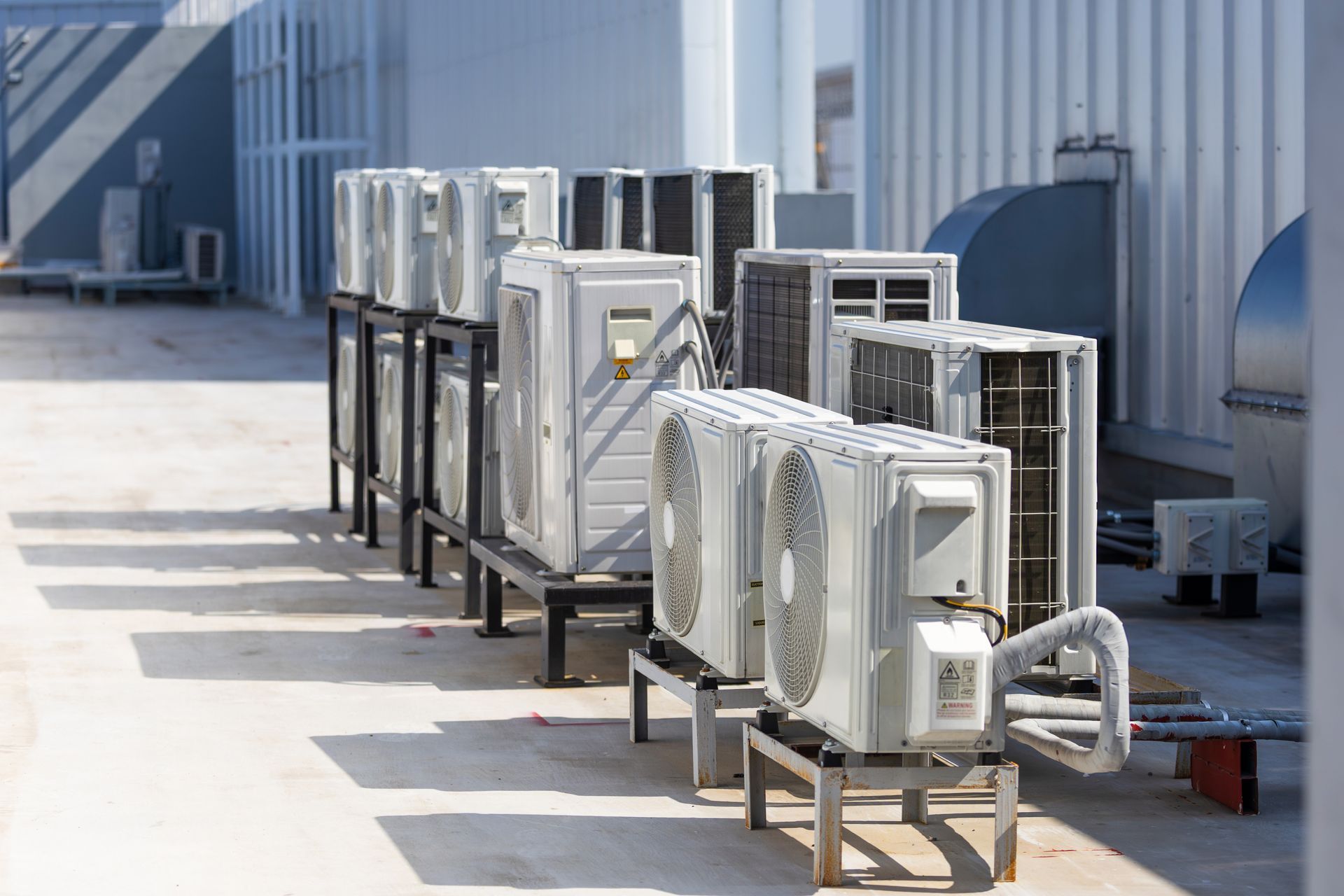
- Check the outdoor condenser for debris, dust, or grease, and clear space around it so air can move freely.
- Move stock away from vents and off the floor of the cooler so air can circulate.
- Record the air temperature every hour. A written log helps a technician see whether the problem is constant or intermittent.
Warning signs that call for a technician
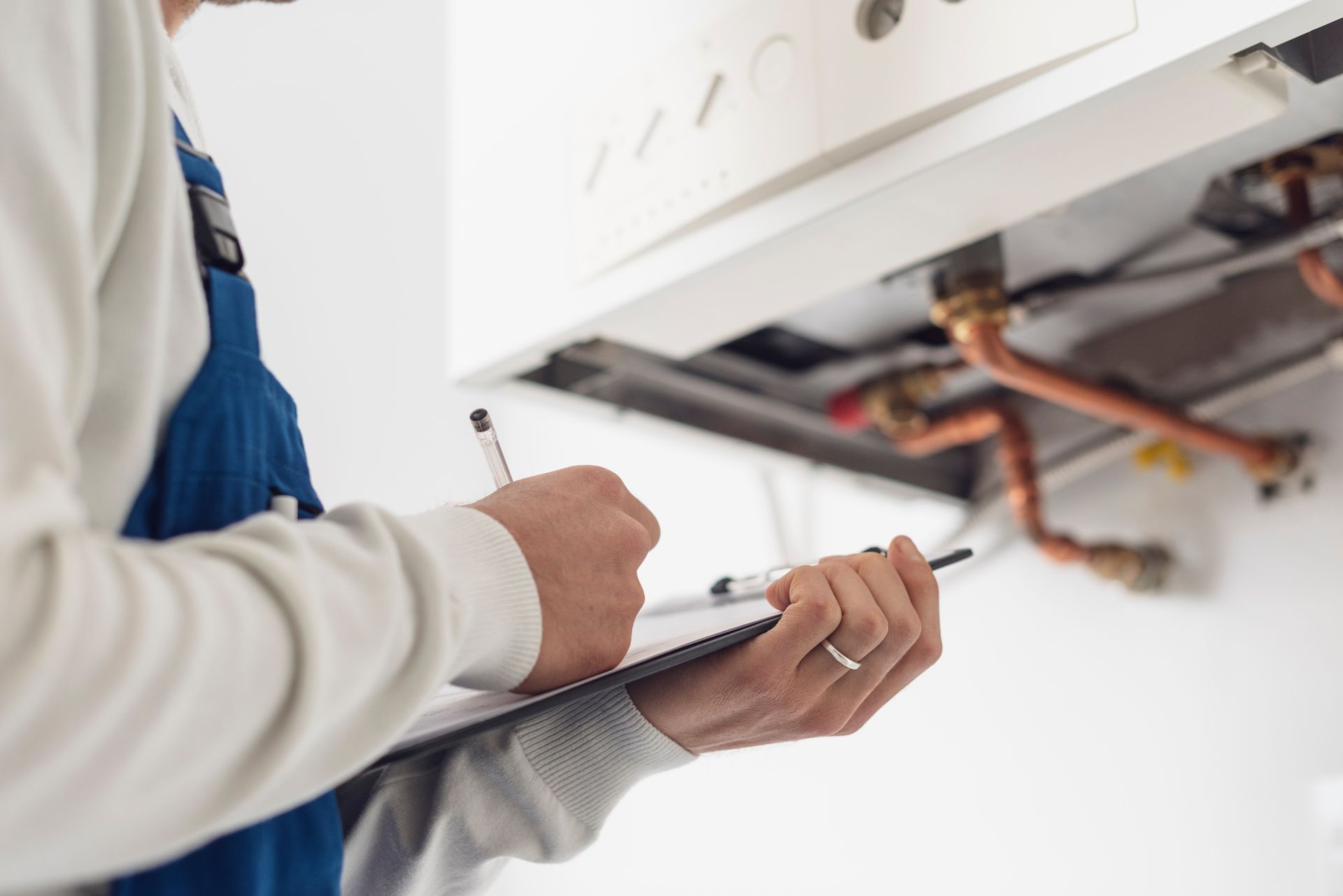
Stop troubleshooting and call for service if you notice any of the following. Some of these point to safety hazards or to repairs that can make the problem worse if handled incorrectly.
- Ice that keeps building up on the evaporator coil even after a defrost cycle
- A compressor that runs without cooling, or that turns on and off rapidly
- A hissing sound, or oily residue around fittings and lines, which can indicate a refrigerant leak
- Breakers that trip when the unit starts
- Air temperature above 41°F for longer than a short period
Protect your food first
While the cooler is warm, keep the door closed as much as possible. Move potentially hazardous foods such as dairy, cooked meats, cut produce, and cooked rice to a working unit or into ice baths. Food that has been above 41°F for longer than your local health department allows should be discarded. Your local environmental health office sets the exact time limits, so check their guidance before deciding what to keep.
Why refrigerant repairs need a certified technician
Under the Clean Air Act, the EPA requires technicians who handle refrigerants to hold Section 608 certification. Adding refrigerant without finding and fixing the leak is a temporary fix that wastes money and can harm the environment. A certified technician will locate the leak, make the repair, and recharge the system to the manufacturer's specifications.
Repair or replace?
A single failed fan motor or door gasket is usually an inexpensive repair. An older compressor or a system with repeated leaks may cost more to keep running than it would to replace. Ask your technician to explain the repair cost against the age of the unit and the cost of replacement before you decide.
Frequently asked questions
How cold should a walk-in cooler be?
Food safety guidance from the FDA Food Code sets 41°F (5°C) or below as the standard for refrigerated food. Freezers should hold 0°F (-18°C) or below.
Can I keep using a warm walk-in cooler?
You can keep using it only if the food inside stays at 41°F or below. If it does not, follow your health department's guidance on discarding food.
How long does walk-in cooler repair take?
Simple fixes such as a fan motor or gasket are often completed on the same visit. Compressor work or leak repairs can take longer, depending on parts availability.
Do you offer emergency refrigeration service?
Yes. Cooper & Hawkins offers 24/7 emergency service, and calls are answered around the clock by its technicians.
Cooler down during service hours or after hours?
Call Cooper & Hawkins at (510) 845-4225 for 24/7 commercial refrigeration service in Oakland and Berkeley.